+86-13819126663
博物館、アーカイブ、図書館用の除湿器 video

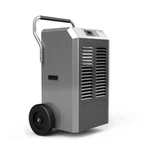
博物館、アーカイブ、図書館用の除湿器

博物館のための240L除湿器

説明

美術館、アーカイブ用除湿機


主な特徴:

1.大面積用途:大面積除湿需要に適した大除湿能力、大風力サイクル


2の超広い湿気の範囲:20%-90%の超広い湿気の範囲は、異なった除湿の場所の必要性を満たすことができます、極度な環境に柔軟に対応できます


3、連続排水をサポート:外部排水管、下水管への直接アクセス、便利な排水


4、インテリジェント除湿:スマートチップが含まれて、自動的に現在の環境湿度に応じてインテリジェント除湿になります、見る必要はありません


5の理性的な欠陥の判断:自動的に維持のためのLCDスクリーンの欠陥の位置そしてフィードバックを決定して下さい


6、双方向タイミング:作業要件に応じて起動時間とシャットダウン時間を設定することができ、操作が簡単


製品の写真:

Dehumidifiers for Museums, Archives and Libraries

Dehumidifiers for Museums, Archives and Libraries

詳細パラメータ:

モデル DH-5168C
湿度の除去 168L / Dまたは7L / H
電源 380V / 50HZ
定格電源入力 3.2KW
電源電流 6.2A
作業温度 5〜38℃
循環空気 1600M3 / h
冷媒 R22 / R407C
正味重量 108Kg
総重量 118Kg
スペースを適用する 150〜200㎡
製品寸法 405×605×1620 mm
梱包寸法 485×655×1680mm
ローディング数量 33pcs / 20ft
生産期間 10日間
保証 1年

博物館、アーカイブ、図書館における除湿機の申請

湿度(絶対湿度と相対湿度)の概念は、通常、博物館の環境研究の研究に含まれています。 湿度を理解するためには、相対湿度と絶対湿度の関係を理解する必要があります。 私たちの周りの空気は湿った空気と呼ばれる水蒸気をある程度含んでいます。 理論的に水蒸気を含まない空気は乾燥空気と呼ばれます。 絶対湿度は、湿った空気の総体積に対する、空気中の水蒸気の質量の比率です。 それは空気中の水蒸気量の尺度です。


特定の温度条件下では、空気中の水蒸気が飽和点に達する水分量に対する空気中の水分量の比が、通常相対湿度と呼ばれるものです。 空気中の水分が最高レベルに達すると、それは飽和と呼ばれます。 この場合の相対湿度は100%です。


空気中に蓄えることができる水の量は温度の影響を受けます。 気温が高いほど、水は多くなります。 そのため、絶対湿度(水分)は変化しません。 温度が高いほど、相対湿度は低くなります。 空気中の水蒸気の重量が一定で温度が変化すると、相対湿度は大きく変動する可能性があります。


たとえば、セミオープン環境の美術館では、展示中に金属製の遺物を含むコレクションがより高い温度と相対湿度にさらされることがありますが、何らかの理由で遺物は次のように変化します。温度、金属の人工物のまわりの水蒸気は冷たい条件の下で凝縮し、「凝縮」を引き起こします。 金属アーチファクトの表面上の水蒸気「凝縮」の現象は、金属アーチファクトの腐食の重要な原因である。


さらに、コレクションが置かれている環境の湿度が高すぎるため、紙などの耐水性の低いコレクション、絵画の色が暗くなり、かびが発生しやすくなります。 湿度が低すぎると、木材やラッカーにひびが入ります。 。 したがって、博物館内の大気の水分含有量と温度を制御することは非常に重要です。


今日では、国内外の多くの美術館やアートギャラリーが、展示室や倉庫の湿度を調整するために大気中の湿度調整剤、吸湿剤などを使用し始め、一定の結果を得ています。

The concept of humidity (absolute humidity and relative humidity) is usually involved in the study of museum environmental studies. In order to understand the humidity, it is necessary to understand the relationship between relative humidity and absolute humidity. The air around us contains a certain amount of water vapor, which is called wet air; the air that is theoretically free of water vapor is called dry air. Absolute humidity is the ratio of the mass of water vapor in the air to the total volume of humid air. It is a measure of the amount of water vapor in the air.  Under certain conditions of temperature, the ratio of the water content in the air to the water content at which the water vapor in the air reaches the saturation point is what we usually call relative humidity. When the moisture in the air reaches the highest level, it is called saturation. The relative humidity in this case is 100%.  The amount of water that can be stored in the air is affected by the temperature. The higher the temperature, the more the water is. Therefore, the absolute humidity (water content) does not change. The higher the temperature, the lower the relative humidity. If the weight of water vapor in the air is constant and the temperature changes, the relative humidity may vary greatly.  For example, for museums in a semi-open environment, collections including metal artifacts may be exposed to a higher temperature and relative humidity during the exhibition, but for some reason the artifacts are moved to In a low temperature environment, due to the change of temperature, the water vapor around the metal artifacts will condense under cold conditions, causing


The concept of humidity (absolute humidity and relative humidity) is usually involved in the study of museum environmental studies. In order to understand the humidity, it is necessary to understand the relationship between relative humidity and absolute humidity. The air around us contains a certain amount of water vapor, which is called wet air; the air that is theoretically free of water vapor is called dry air. Absolute humidity is the ratio of the mass of water vapor in the air to the total volume of humid air. It is a measure of the amount of water vapor in the air.  Under certain conditions of temperature, the ratio of the water content in the air to the water content at which the water vapor in the air reaches the saturation point is what we usually call relative humidity. When the moisture in the air reaches the highest level, it is called saturation. The relative humidity in this case is 100%.  The amount of water that can be stored in the air is affected by the temperature. The higher the temperature, the more the water is. Therefore, the absolute humidity (water content) does not change. The higher the temperature, the lower the relative humidity. If the weight of water vapor in the air is constant and the temperature changes, the relative humidity may vary greatly.  For example, for museums in a semi-open environment, collections including metal artifacts may be exposed to a higher temperature and relative humidity during the exhibition, but for some reason the artifacts are moved to In a low temperature environment, due to the change of temperature, the water vapor around the metal artifacts will condense under cold conditions, causing

人気ラベル: 美術館、アーカイブ、図書館の除湿機中国、メーカー、サプライヤー、工場、卸売

お問い合わせを送る

(0/10)

clearall